P2: Powerplant Exhibition
"the great possibilities of exhibition design rest on the universal application of all known means of design: diagram, lettering, the word, photography, architecture, painting, sculpture, tone, light, film. it is the apex of all collective effects, of all powers of design. all the elements suited to the purpose of communicating the idea are included in it, such as enlightenment, advertising, education, etc."
— fundamentals of exhibition design, herbert bayer
"Design exists not only as a tool for encouraging consumption, but also as a way to deliver timely ideas to new audiences and generate formats for interaction. Its effects operate under the surface, lending them a potent authority. How can graphic design help create meaning and frame crucial messages more effectively"
– P!DF, Prem Krishnamurthy
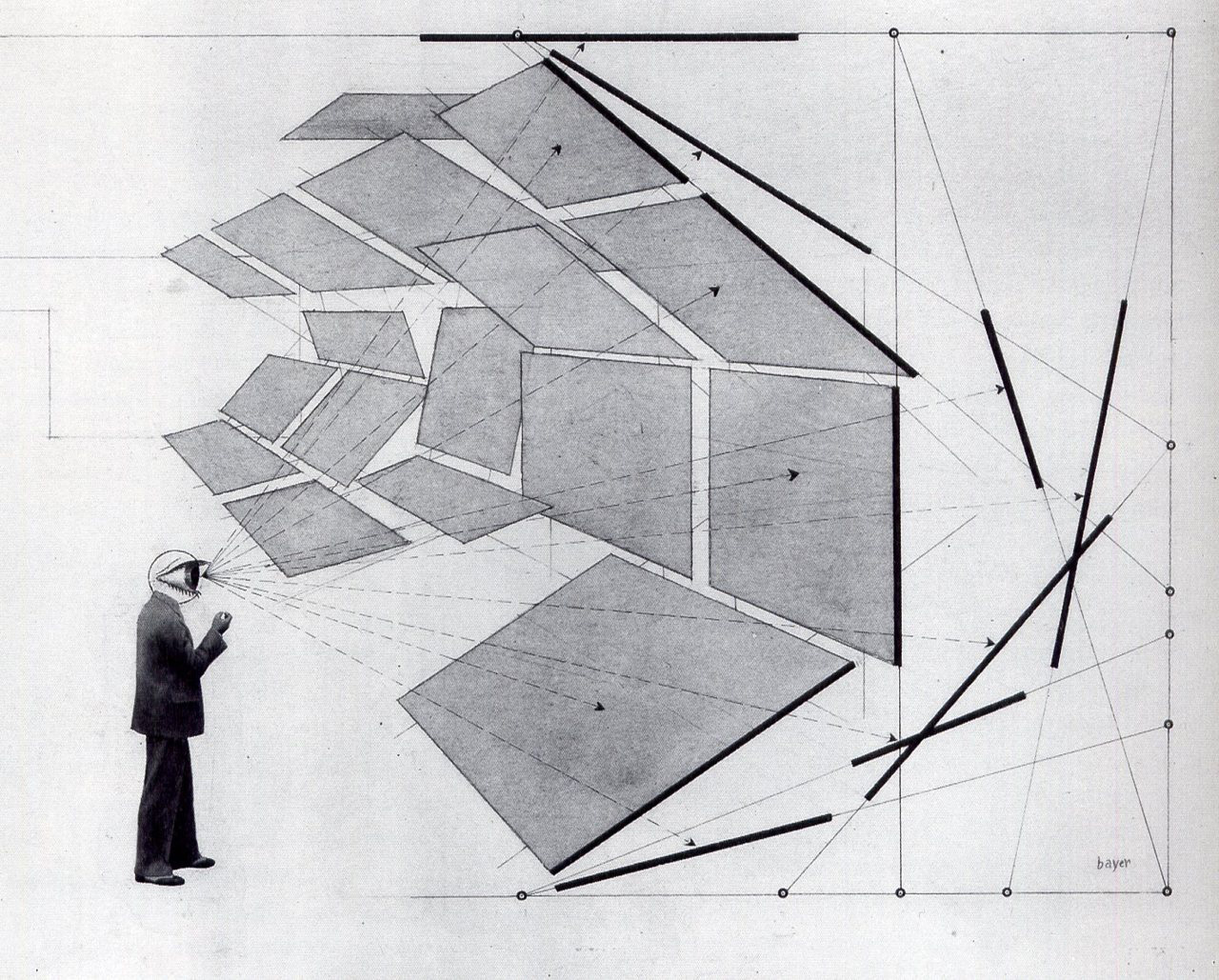
Inclusive Picture of All Possibilities, from Herbert Bayer’s Fundamentals of Exhibition Design, 1937
In this semester-long, group project, we will curate, design and stage an exhibition of contemporary graphic design works that help define and understand the potential of graphic design as an exhibition subject.
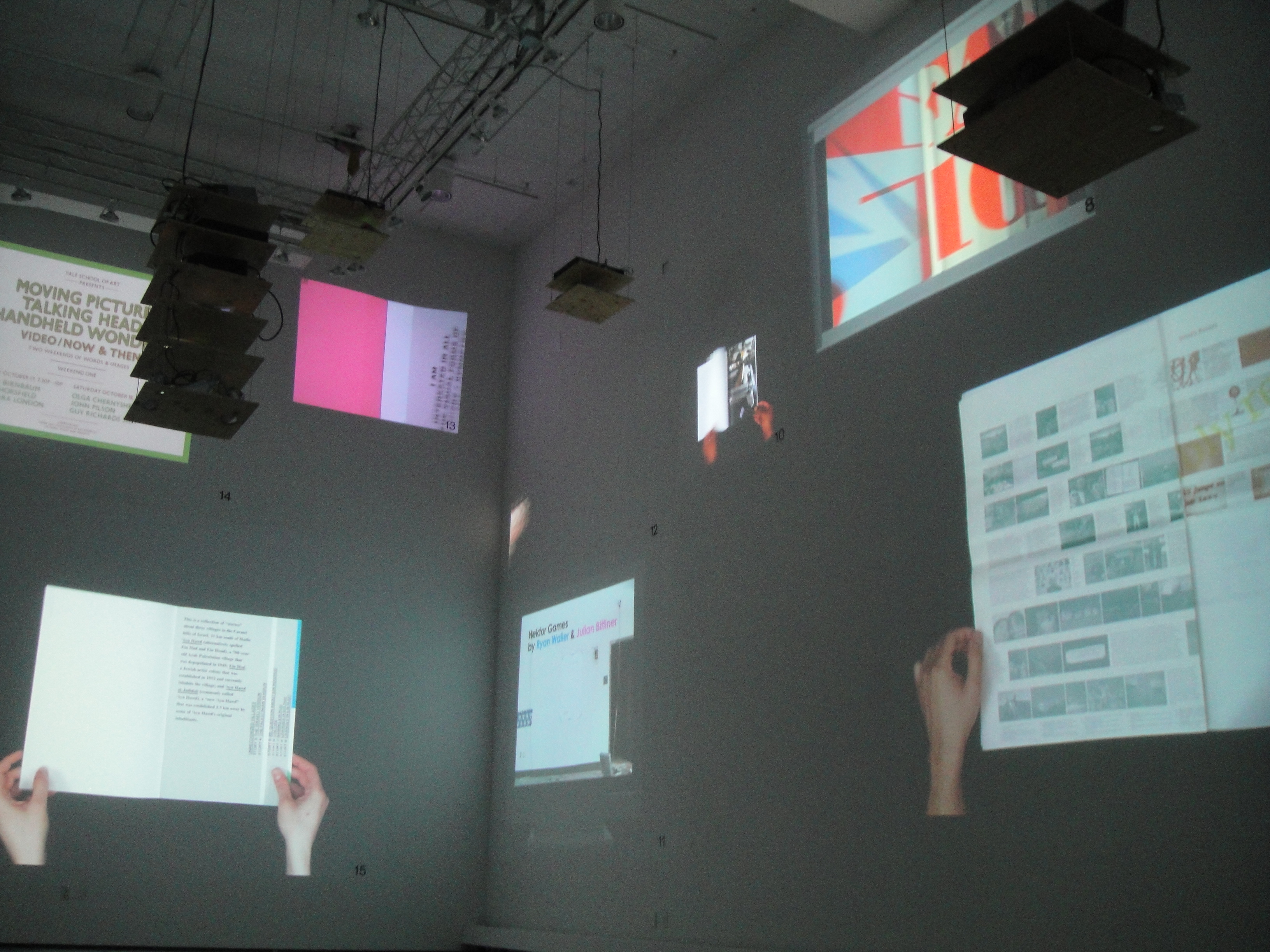
Lux et Veritas, Yale MFA Graphic Design Exhibition 2009
As we’ve already discussed, Graphic Design is difficult to exhibit for several reasons. From fundamental tensions about design’s use-function being removed in the gallery space, to the difficulty in exhibiting small, dense, and often flat materials that is typically associated with graphic design.
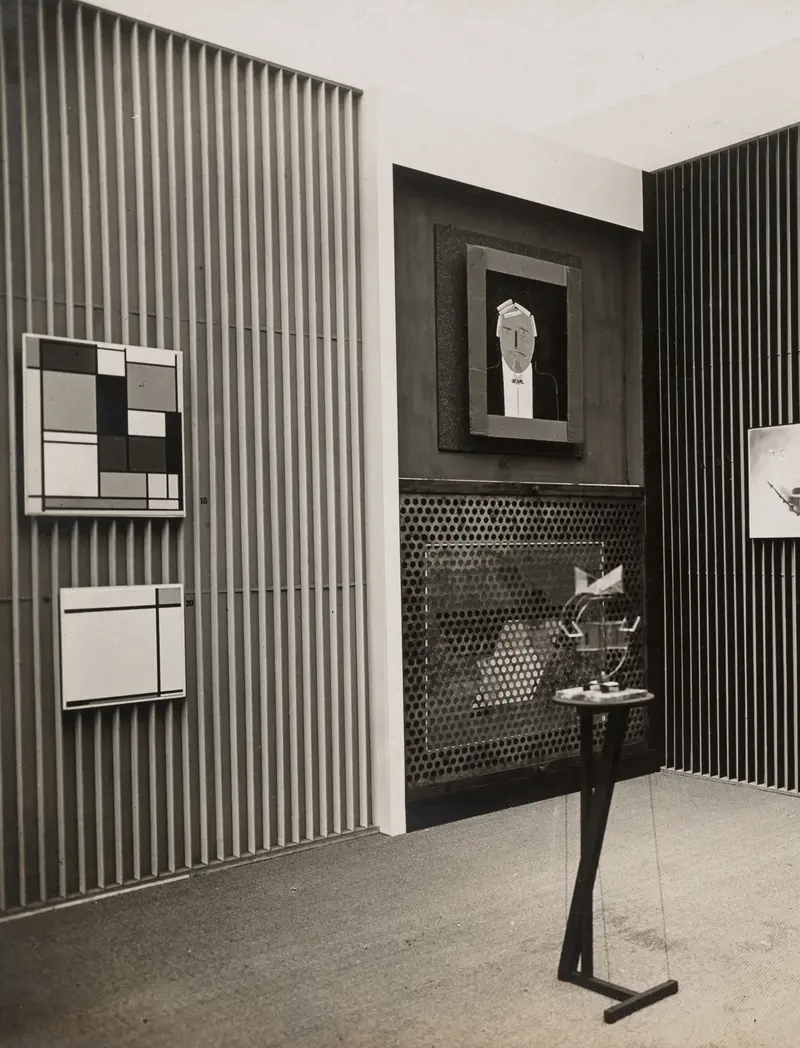
Cabinets of Abstract, El Lissistky
Still the design of exhibitions has been a fundamental concern of graphic designers, who seek to make exhibitions and spatial experiences more accessible, and experiment with the media as an artful experience. Testing different methods of display, exhibition design has been considered the culmination of all design disciplines in one outcome, covering: organization, display, visual communication, human field of vision, means of display, sequence and walking-direction, lighting and exhibition structure.[1]
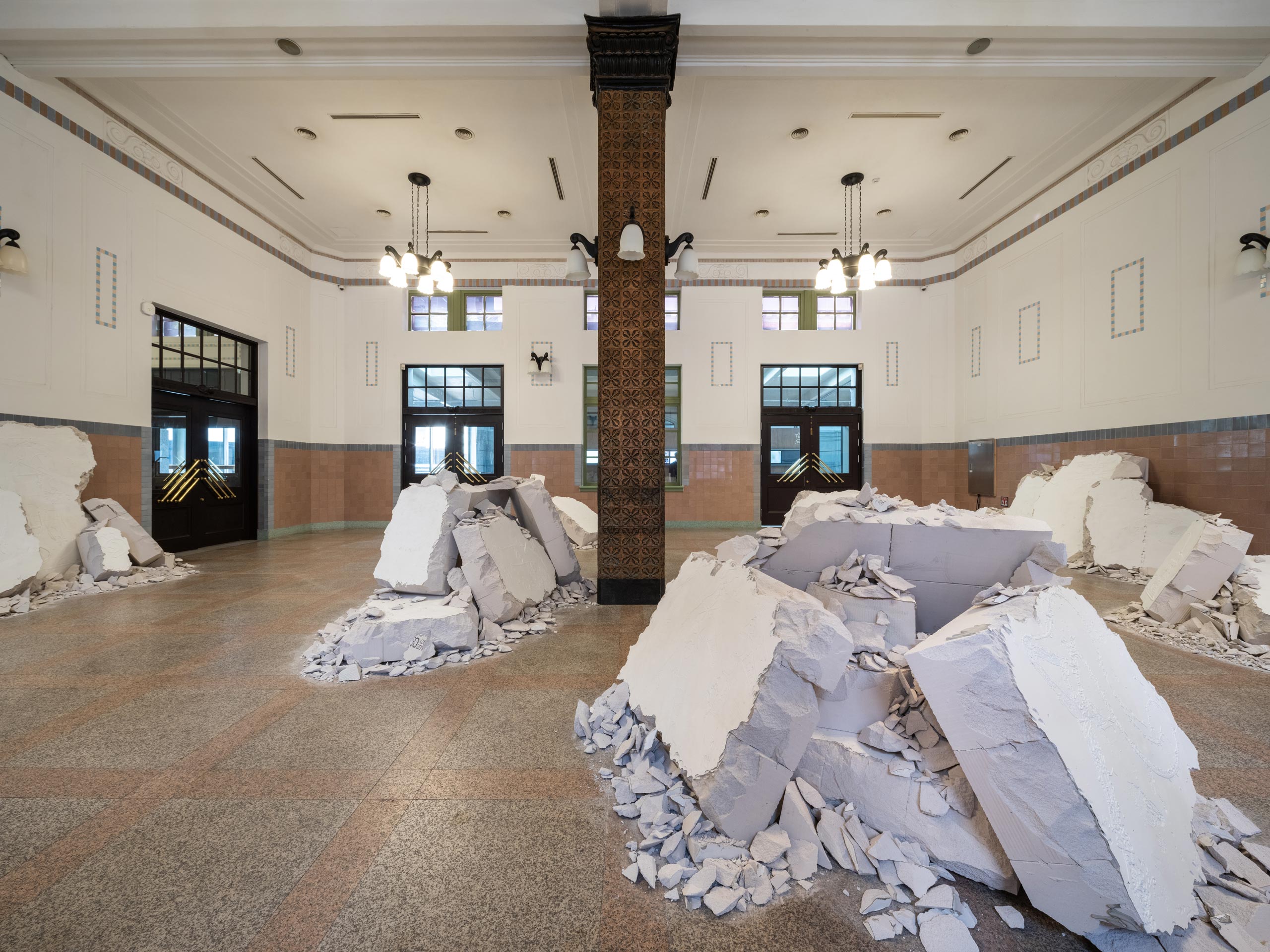
Typojanchi, 2023
With this context in mind, we will act as curators and designers. Developing a critical point of view about the potential of exhibiting Graphic Design. Trying to answer the question of what are the potentials and new ways that we can exhibit graphic design? It’s up to us how we want to approach this, but our exhibition should be composed of innovative graphic design work from around the world that takes on new significance in an exhibition context.
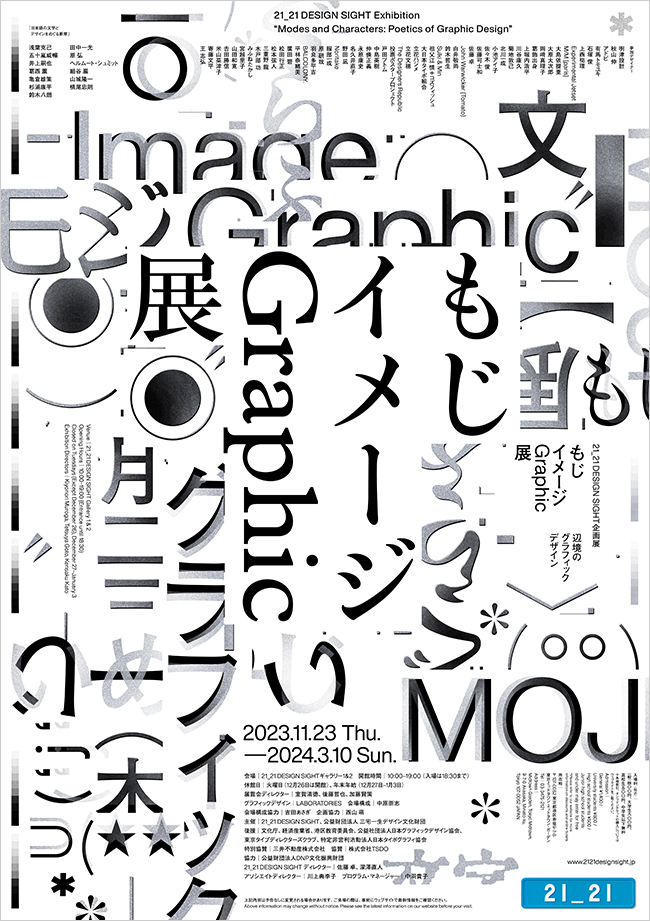
Modes and Characters: Poetics of Graphic Design
Furthermore, as Andrew Blauvelt discusses in The Exhibitionary Apparatus, the breadth of exhibition is much larger than we may first assume – encompassing objects, processes, and experiences beyond the traditional gallery. In addition to creating our physical display at Powerplant. Our show should engage with the apparatus of exhibitions and include promotional materials, archival materials, and event programming.
There is no fixed criteria for a succesful show, but it should aim to explore the potential and limitations of exhibing graphic design from several perspectives – taking advantage of the temporal and spatial conditions of the exhibition format. Assume we'll feature at least 12 designers works in digital, printed, small-scale, and large-scale graphics.
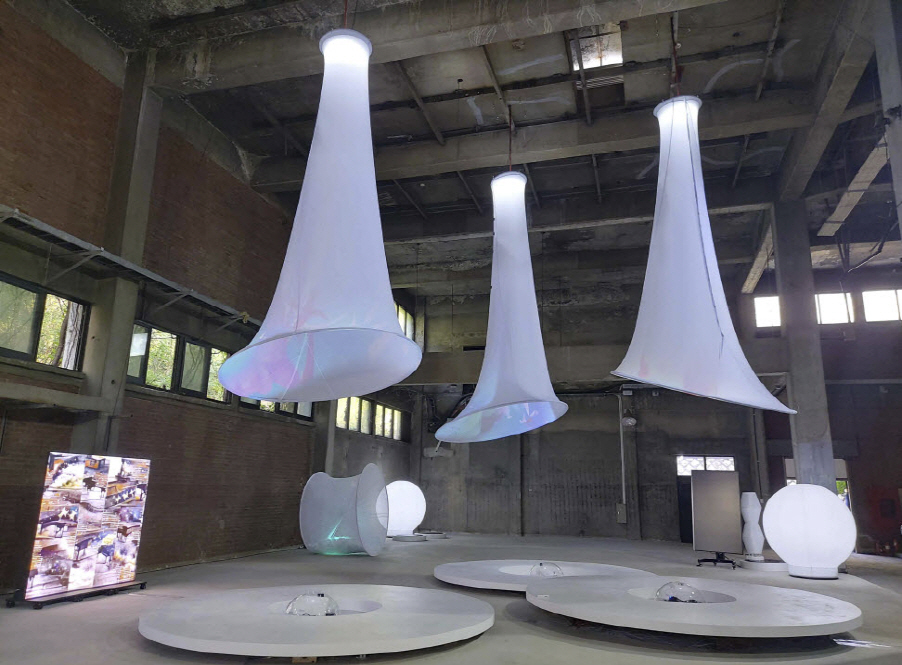
SNU Powerplant
The venue is Powerplant at SNU, a repurposed power plant that used to provide energy to the school, which has now been tasked to energize the school’s creativity and innovation.
We should aim to make a show on a large scale, with designers we truly admire! As such, we should also aim to promote and gain a significant audience. Let’s make a really great exhibition!
1. fundamentals of exhibition design, by herbert bayer

Due: Jun 4 - 10
Learning Outcomes
- Expanded perspective on Exhibition Design and non-traditional exhibit-making
- Experience with large scale spatial design
- Experience with editing, designing, and making an online and/or print publication
- Improved collaboration and management skills
Requirements
- Group exhibition we curate and stage at SNU Powerplant addressing exhibiting Graphic Design today including
- Display of design works
- Programming/events (talk and/or workshop)
- Catalog (web and/or print)
- Identity & promotions
- Spatial Design
- Every student should suggest at least one work to include in the exhibition (however, not all suggestions will be included)
- An accessible show that can be enjoyed by our target audience without barrier to physical or psychological condition
- Digital GD exhibition research archive
Kickoff: Mar 12
Project Introduction
Step 1: Due Mar 19
Exhibition Ideas
Reflecting on the discussion about Graphic Design in the White Cube, share 2-3 thoughts about what Graphic Design today is worthy of exhibition. Is it the impact of 3d spaces and immersive digital environments (AR/VR)? Changing economic conditions? Adjustments to communication channels such as SMS and digital services that have fundamentally changed GD practice since GD in the White Cube was written?
Along with your thoughts about the show’s focus, share 1-2 designers whose work you think addresses/reacts/embodies these issues. And 1-2 design exhibition references (shows, curators, organizations/venues, etc.) that will be helpful for our project – these will be added to the exhibition design archive.
Step 2: Apr 2
Finalize overall exhibition Concept
In your portable exhibition groups, present an idea for the group exhibition concept. This can be very specific or more general, but it should give us some guidance on how the exhibition format would engage with it. For instance, if your proposal is “International Recent Graphic Design”, we may organize the show based on the location of the designer’s works. If your concept is “Interstitial Spaces”, perhaps the show would be organized by medium – physical, digital, in-between, etc.
Format your proposal in a presentation with context (background, history, motivation) for your show, and example design works we may include (~10 mins).
Step 3: Due Apr 9, 2025
Curation
Individually: Share 1 work you’d like to include in the show. And one or more graphic design exhibition reference(s) we can add to our exhibition design archive.
In-class we will do an exercise to organize the works into sections based on the concept we confirmed last class.
Ex: optical, interactive, political, etc.
Based on the works, and categories we define in class, we’ll also define working groups to bring the show together. The exact groups will be determined in class, but expect teams like: Identity Design, Catalog Design, Spatial Design, Programming and Communications, and Installation / Production. One group will also be responsible for the digital exhibition archive.
After confirming the work with the rest of the class, reach out to the designers whose work you’d like to include. You can use this template as a start, and feel free to cc Chris and Dong Gun on the email.
Step 4: Apr 16, 2025
Group Proposal
Working in your group exhibition teams (spatial, identity, programming, etc.), share a proposal for your portion of the show. Like the overall exhibition concepts, this should take shape as in a presentation with context (background, history, motivation) for your show, and example design works we may include (~10 mins).
Step 5: May 7
Rough Drafts
A rough draft of all materials needed for the production and promotion of the exhibition. This should include, but is not limited to:
Identity design and promotional materials such as posters, IG graphics, etc.
Spatial design including furniture, floorplan, and wayfinding graphics
Programming such as workshop and talk proposals
Catalog proposal and sketches for print and/or the web
Step 6: May 21
Promotion and prep
Begin Promotions & Confirm production timeline.
Step 7: May 28
Final Works
Final versions of everything presented in step 5. Finalize production of all materials
Step 8: Jun 4
Launch show!
Begin installation, and stage exhibition between June 4 - June 10th!
Schedule
Week 2 – Mar 12
Project kickoff

Week 3 – Mar 19
Step 1 due: exhibition ideas and references

Week 5 – Apr 2
Step 2 due: Finalize exhibition concept

Week 6 – Apr 9
Step 3 Due: Share curation proposal for 1 work

Week 7 – Apr 16
Step 4 Due: Exhibition team proposal

Week 10 – May 7
Step 5 Due: Rough draft all materials

Week 12 – May 21
Step 6 Due: Begin promotions

Week 13 – May 28
Step 7 Due: Final versions of materials for show

Week 14 – June 4
Install exhibition!

Post exhibition
Launch and share catalog
Reading
- fundamentals of exhibition design, by herbert bayer
- Aspects of Design Exhibitions and Museums, by herbert bayer
- The Yale MFA Graphic Design Show, by Rachel Berger
- P!DF (excerpt), by Prem Krishnamurthy
References
- Kabinett der Abstrakten, El Lissitzky
- Designed in California, curated by Robert Kett
- Eso es la vida/This is life: Graphic Design from Mexico curated by Robert Kett
- Lux et Veritas, Yale's all-projected-video graphic design MFA thesis show
- All at Once, Yale's video synthesizer MFA thesis show
- The Avant-Garde Museum
- Modes and Characters: Poetics of Graphic Design, curated by Kiyonori Muroga, Tetsuya Goto, and Kensaku Kato
- All Possible Futures, curated by Jon Sueda
- Work from California, curated by Jon Sueda
- The Way Beyond Art: Wide White Space, curated by Jon Sueda
- Reading Forms (archived GD exhibition archive)
- Adocs